The Three-Body Problem
Introduction
The Three-Body Problem is a science fiction novel by Liu Cixin, the first book in his acclaimed trilogy entitled Remembrance of Earth's Past. The novel has become a cornerstone of both Chinese and global science fiction literature, attracting significant attention and acclaim worldwide. Liu Cixin's work is notable for its intricate storytelling, scientific depth, and philosophical exploration, establishing him as one of the leading voices in contemporary science fiction.
The novel's title refers to a classical problem in physics and astrophysics, concerning the motion of three celestial bodies under mutual gravitational influence. It serves as both a thematic and literal element of the story, which explores the implications of humanity's contact with an alien civilization, known as the Trisolaran civilization. The narrative spans decades, weaving together elements of history, science, and speculative fiction to examine the future of humanity.
The Three-Body Problem is celebrated for its ambitious scope and imaginative storytelling, drawing readers into a universe where the fate of Earth is intertwined with cosmic events. It has been translated into numerous languages, earning Liu Cixin international recognition, including the prestigious Hugo Award for Best Novel in 2015.
Plot
Setting
The story opens during the period of the “cultural revolution” (1966-76) , providing a contextual foundation for the protagonist, Ye Wenjie, whose early life experiences shape her future decisions. The novel seamlessly transitions into a more contemporary setting, where cutting-edge technology and scientific research play pivotal roles.
The narrative explores both terrestrial and extraterrestrial realms, particularly focusing on the Trisolaran civilization residing in a distant three-sun system, which poses unique challenges due to its unstable planetary conditions. This cosmic setting serves as a catalyst for the book's central conflict, as Earth becomes aware of the Trisolaran's intentions and the subsequent struggle between the two species.
The setting is rich with scientific detail and philosophical inquiry, allowing Liu Cixin to delve into complex themes such as humanity's place in the universe and the ethical implications of technological advancement.
Characters
The Three-Body Problem boasts a diverse cast of characters, each contributing to the novel's rich tapestry. At the center is Ye Wenjie, a physicist whose personal loss and scientific acumen drive her pivotal decisions. Her character embodies the complexities of scientific ethics and the consequences of human actions.
Another central figure is Wang Miao, a nanomaterials researcher drawn into the unfolding cosmic mystery. His investigative journey alongside police officer Shi Qiang uncovers the layers of intrigue surrounding the Trisolaran threat. Shi Qiang, known for his pragmatic and unorthodox approach, provides a grounded counterbalance to the high-stakes scientific endeavors.
Supporting these main characters are a host of scientists, philosophers, and members of the Earth-Trisolaris Organization, each offering unique perspectives and contributing to the novel's exploration of human nature and society.
Themes
Science and Philosophy
Science and philosophy are intertwined throughout The Three-Body Problem, with Liu Cixin using the narrative to explore profound questions about humanity's future and its relationship with the cosmos. The novel delves into scientific theories, particularly physics and astrophysics, while examining philosophical concepts such as existentialism and determinism.
Liu Cixin presents science as both a tool and a challenge, demonstrating its potential to unlock mysteries of the universe while highlighting the ethical dilemmas that accompany technological progress. The novel invites readers to contemplate humanity's place in a vast and unfeeling universe, prompting introspection about the path of human civilization.
Human Nature and Society
Human nature and societal dynamics are central to the novel's exploration, as characters grapple with moral and ethical decisions in the face of an alien threat. The story examines the capacity for collaboration and conflict among humans, questioning the foundations of trust, loyalty, and survival instincts.
Liu Cixin uses the narrative to critique societal structures and question the collective human response to existential challenges. The novel highlights the tension between individual desires and collective needs, probing the boundaries of human empathy and rationality.
Reception
Critical Reviews
The Three-Body Problem has garnered widespread acclaim from critics and readers alike, praised for its innovative storytelling, scientific authenticity, and philosophical depth. Critics have lauded Liu Cixin's ability to blend hard science fiction with speculative elements, creating a narrative that challenges conventional boundaries and engages readers intellectually.
The novel's translation into various languages has facilitated its global reach, earning critical recognition and fostering discussions about its thematic and cultural significance. Its success is often attributed to Liu Cixin's skillful narrative construction and the novel's ability to resonate with universal human concerns.
Awards and Honors
The Three-Body Problem has received numerous awards and honors, cementing its status as a seminal work in global science fiction literature. Most notably, Liu Cixin became the first Asian author to win the Hugo Award for Best Novel in 2015, a prestigious accolade in the science fiction domain.
The novel's success has been complemented by other literary awards, reflecting its impact on readers and critics worldwide. Its recognition underscores the importance of cultural exchange in science fiction and the growing influence of Chinese authors on the international stage.
Adaptations
Film and Television
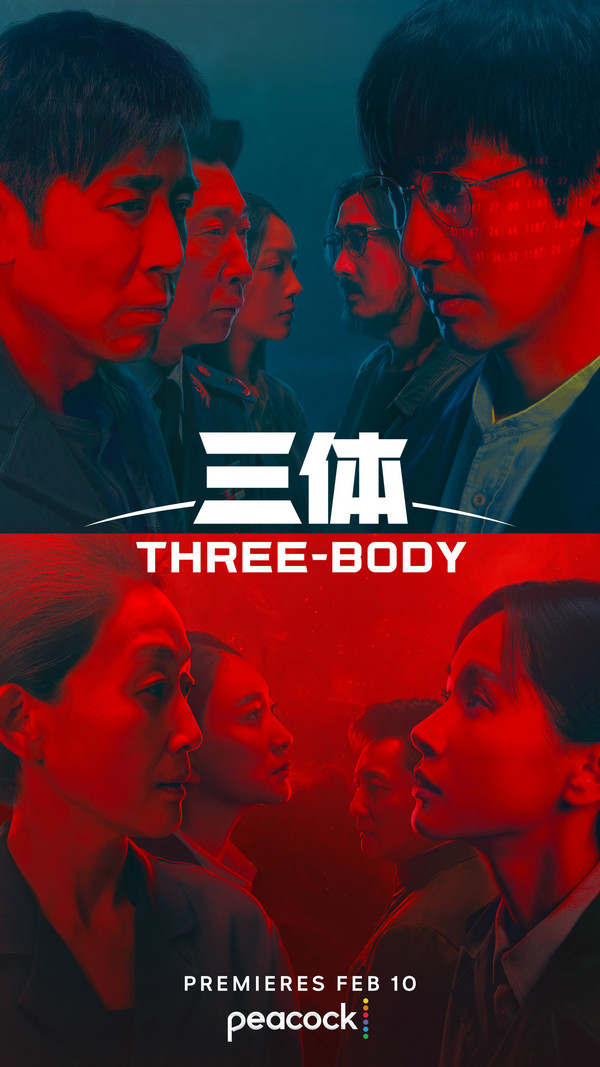
The adaptation of The Three-Body Problem into film and television has been met with great anticipation, reflecting the novel's expansive narrative and imaginative potential. Various projects have been undertaken to bring the story to screen, including a highly anticipated live-action TV drama produced by Tencent Video, set to capture the novel's rich themes and complex characters.
The adaptation process has involved collaboration with esteemed filmmakers and screenwriters, aiming to preserve the novel's essence while offering a new visual experience. These efforts highlight the novel's influence on visual storytelling and its potential to reach broader audiences.
Other Media
Beyond film and television, The Three-Body Problem has inspired adaptations in other media, such as graphic novels and audio dramas. These interpretations offer diverse perspectives on Liu Cixin's work, showcasing the versatility of the narrative and its appeal across different formats.
The graphic novel adaptation, for example, combines traditional Chinese art styles with modern techniques, creating a visually stunning representation of the novel's themes and characters. Audio dramas further expand the novel's reach, providing immersive experiences that capture the story's atmospheric tension and philosophical depth.
Influence
Impact on Science Fiction
The Three-Body Problem has had a significant impact on the science fiction genre, challenging established conventions and expanding the scope of speculative storytelling. Liu Cixin's work has introduced new thematic elements and narrative structures, inspiring authors and creators worldwide to explore complex scientific and philosophical concepts.
The novel's success has also highlighted the growing importance of international voices in science fiction, contributing to a more diverse and inclusive literary landscape. Its influence extends beyond literature, prompting discussions about the intersection of science, culture, and human understanding.
Cultural Significance
The cultural significance of The Three-Body Problem is evident in its ability to transcend national boundaries and resonate with readers globally. Liu Cixin's exploration of universal themes, such as survival, ethics, and the future of humanity, has fostered dialogue across cultures, encouraging a shared understanding of science fiction as a vehicle for introspection and discovery.
The novel's integration of Chinese cultural elements and historical context has enriched its narrative, offering readers insight into China's scientific and philosophical traditions. Its impact on cultural exchange and understanding underscores the novel's role in bridging diverse perspectives and fostering a global conversation about the future.








